

News
May, 2026
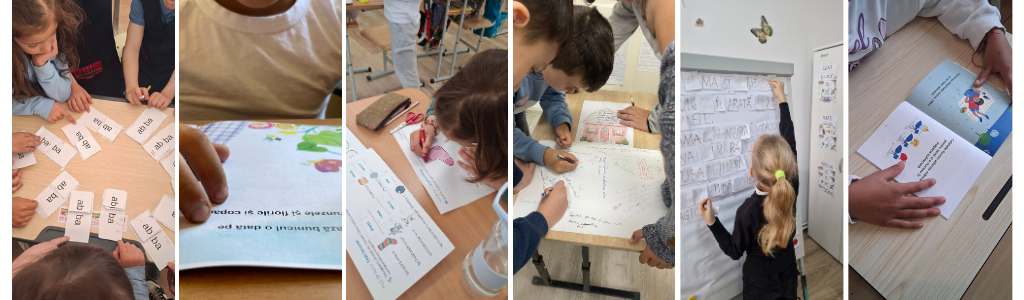
The early years matter. But not equally for everyone.
Why access to early childhood education isn’t enough, and what research tells us needs to change
„If you want to understand the future of a country, don’t start with its universities. Start with its kindergartens, crèches and nurseries.”
This is how the foreword to the OECD report Building Strong Foundations for Life: Findings from the 2025 Study on Early Childhood Education and Child Well-being begins. The report was published in early May 2026 and can be accessed here. It is the most comprehensive study of its kind, gathering data on 23,000 children across eight countries. The data is comparative – at the level of the child, parent and educators – and shows that development is not just an educational component, but also a social one.
And the study’s findings are revealing in a context where the European Commission explicitly recognises that early childhood education and care (ECEC) can make a decisive contribution to laying the foundations for lifelong learning, preventing early school leaving, reducing poverty and social exclusion, and supporting women’s participation in the labour market. This is precisely why ECEC has been included as a central instrument in the European Child Guarantee and in the objectives of the European Education Area.
The reason this study matters to us is that the data confirms what we see in the schools and nurseries involved in our projects, particularly when it comes to vulnerable families. Access to early childhood education alone does not bridge the gaps these children face when they start nursery or school. It is a basic, essential requirement, but access does not automatically equate to benefit. What we see is that where communities are vulnerable, schools and nurseries are also vulnerable and cannot meet these children’s needs on their own. And an ECEC system that does not meet quality criteria where it matters, and in which the mesosystem – the family, the nursery, the community – does not work together, will not reduce inequalities. It will perpetuate them.
The IELS study therefore investigates early learning and child well-being and provides a comprehensive picture of the early learning and development of children at the age of 5. It is based on the evidence that the first five years of life are a crucial period for the development of skills, with a long-term impact on educational outcomes and quality of life in adulthood.
The study measures children’s skills across three dimensions:
- Foundational learning: emerging literacy and emerging numeracy;
- Executive function: inhibition, working memory, mental flexibility;
- Social and emotional development: emotion recognition, emotional attribution, trust, prosocial behaviour, non-destructive behaviour.
The assessment combines a direct assessment of the child (tablet-based game format) with questionnaires for teachers and parents.
A key limitation to the interpretation of the results: the study includes only children enrolled in authorised early childhood education and care (ECEC) centres or schools. Children who are exclusively in informal care or at home are not included in the sample.
What we know about the early years
In many fields, the research literature is contradictory, and it is difficult for us to understand clearly what the studies actually show. However, when it comes to early childhood development, there is broad consensus: the first years of life matter disproportionately. Early education and care – everything that happens to a child before they start school – influence their educational trajectory, emotional health and long-term chances of social inclusion. The effects are documented in dozens of longitudinal studies worldwide, and the conclusion is consistent: the more vulnerable a child’s background, the more crucial access to quality services in the early years becomes (UNICEF, 2019a; UNICEF, 2020; UNICEF, 2023; Eurydice, 2025).
Even when we’re talking about the earliest years of a person’s life—specifically the first five years—the impact of a lack of early education and care is far from negligible. It is a defining difference that persists, accumulates and becomes increasingly difficult to make up for as you grow older.
What the IELS study tells us
For the most part, research into early childhood development has focused heavily on a child’s first 1,000 days and has shown that during the early years of life, a child’s brain is at its most malleable, enabling them to learn more quickly than at any other stage. However, in recent years, an increasing amount of research has focused on the next stage of development, the pre-school years, a stage characterised by accelerated development, but particularly sensitive, a period in which, through targeted interventions, trajectories affected by risk factors (e.g. socio-economic status) can be recalibrated and protective factors reinforced. During this period, motor, linguistic and interactive skills develop, as well as executive functions such as self-regulation.
The way a child develops in the early years of life is a significant predictor of their future success. The implications are wide-ranging: children’s well-being and happiness go hand in hand with early learning and development; better results throughout their schooling; a higher level of education after leaving school; better outcomes in the labour market and socio-economic status; and better mental and physical health.
Early fundamental skills develop through relationships and are highly context-dependent. As such, adults play a crucial role in supporting the development of these skills.
There are several important factors that contribute to positive early learning and development, but two stand out: the family environment and environments outside the immediate home, including the extended family network, the local community, nurseries, kindergartens and primary school.
The family: the first environment for development
Parents are the first to introduce children to the world. But the way they do this in the early years has major implications for children’s lives. A stable family environment provides an excellent start for every child.
How exactly does the family help to give a child a good start in life? It is no longer news that rich verbal interaction in the early years of life is a key predictor of later learning. It matters not only how much adults talk to children, but also how they talk: how diverse their vocabulary is, how sentences are linked together, and the presence of singing and reading together. The activities that parents do with their children help to create that supportive learning environment which acts as a springboard for the development of cognitive skills, self-regulation, social-emotional skills and general well-being.
But the environment works the other way around too: the lack of these interactions has a fundamental impact on development. Yet in our programmes, ‘Schools with a Sparkle’ and ‘Learning for All’, we see this effect all too clearly. There, we see what it means for a child not to be read to during their early years. A concrete, yet hard-to-imagine example is that of a child in reception class who does not know how to open a book.
That is why expanding the environments in which a child develops, beyond the family context, is essential to counteract the effects of the family environment on the child’s development.
The caveat attached to this positive finding is that development depends on both the continuity and the quality of care and education, not merely on their availability.
Quality ECEC: the second environment that matters
Research shows that this role can only be fulfilled if ECEC services ensure consistently high standards of quality. If external environments provide quality care and education, then risks can be mitigated and children can follow a healthy trajectory before starting school.
As with the family, low participation rates and access to substandard services act as barriers to the significant role that research suggests ECEC plays in mitigating inequalities.
One of the most important messages of the IELS study is that these contexts for children’s development do not operate independently of one another. The links between the family, school and the wider community constitute what researchers call mesosystems, the quality of which can impact a child’s well-being. In the case of literacy and numeracy skills development, a mesosystem is only as good as the ability of early years settings to provide relevant, high-quality learning opportunities, and the high level of support for learning available at home.
What the data shows: 5-year-olds in 2025
Significant differences are observed in early learning and development outcomes across jurisdictions within each participating country, suggesting that ensuring consistently high quality is a major challenge for any education system. The characteristics of ECEC centres play a substantial role in explaining these differences: 26% of the variation in composite scores for emerging literacy and numeracy is explained by differences in performance between centres/nurseries. This includes factors related to the quality of ECEC and the extent to which children are concentrated in different centres depending on their socio-economic background.
- The contextual factors of each jurisdiction provide the backdrop for its specific findings. For example, the relative prosperity of some jurisdictions allows them to allocate more funds to early years programmes and enrol more children in high-quality ECEC services at a younger age, whilst others are constrained by a lower national income. It is not just economic conditions that matter. One factor that surprised me, but seems quite intuitive, is the level of education of previous generations, which also influences the social context in which children learn and develop and explains the outcomes for 5-year-olds.
- There is a strong correlation between scores on core skills – emerging literacy and numeracy. A large proportion of children with high or low scores in these skills also have similar scores in terms of executive function. The overlap is less pronounced between emerging literacy and numeracy and social and emotional development. Overall, a minority of 5-year-olds combine relatively strong abilities in one dimension with relatively weak abilities in others, but the overlap is greater in the intermediate performance strata.
- This relationship does not mean that one area of development causes the other. The correlation shows that they develop together, shaped by the same conditions: the quality of the family environment, care, attachment relationships and access to learning experiences. The practical implication is straightforward and often overlooked in the design of interventions: you cannot support literacy and numeracy without also paying attention to emotional regulation, and vice versa. They do not function in isolated contexts.
- IELS 2025 identifies significant socio-economic differences in learning and developmental outcomes at the age of 5. These gaps are evident in the development of basic skills: socio-economically advantaged children score, on average, 60–70 points higher than their disadvantaged peers in terms of emerging literacy and numeracy. Socio-economic gaps are smaller in terms of executive function and social and emotional development, but remain consistent across all domains.
- The IELS defines resilient children as those from disadvantaged socio-economic backgrounds who nevertheless achieve strong outcomes in terms of early learning and development. The proportion of resilient children is an indicator of the extent to which early learning and development are linked to socio-economic status: higher levels of resilience can be interpreted as a sign of a weaker relationship between children’s socio-economic circumstances and their outcomes.
Nursery helps, but not everyone equally
One of the things the IELS study makes clear – and which contradicts a common assumption in public discourse – is that simply attending nursery does not automatically reduce socio-economic gaps. The link between the number of years spent in early childhood education and care (ECEC) and children’s outcomes at age 5 is positive, but statistically weak. More importantly, the benefits of attendance appear to be independent of the child’s socio-economic background. This means that nursery helps all children who attend, but does not do anything in particular for those who are disadvantaged. The paradox is that it is precisely the children who would benefit most who attend the least. It is not that the system works differently for them. They simply do not enter the system.
Across all areas of early learning and development, the association between the number of years children have attended ECEC and their outcomes at age 5 is generally positive, but weak in terms of statistical significance. The positive relationship tends to be stronger in the areas of basic literacy and numeracy skills than in the areas of executive function and social and emotional development.
An important consideration for early childhood education policies is whether participation in ECEC helps to reduce early inequalities, particularly among children from different socio-economic backgrounds. The analyses in the report find no evidence that the relationship between the number of years spent in ECEC and children’s outcomes at age 5 differs for socio-economically advantaged and disadvantaged children.
This is an important finding: children from advantaged families tend to have longer periods of experience in ECEC than their disadvantaged peers. Given that the benefits appear to be independent of the children’s socio-economic background, this suggests that ECEC and early schooling may not, on the whole, be able to reduce socio-economic gaps in these outcomes. In other words, disadvantaged children may not be able to close the gap with their peers from advantaged backgrounds through ECEC attendance, partly because they participate less in these programmes. Furthermore, the accumulation of socio-economic deprivation alongside other early-life challenges may play a role in explaining why the impact of ECEC on children’s outcomes is mitigated when children’s socio-economic background is taken into account.
Socio-economically disadvantaged children are also more exposed to other risk factors that exacerbate their level of disadvantage. Approximately one in ten children in the IELS 2025 survey are reported by their parents as having early learning difficulties or early social, emotional or behavioural difficulties. Socio-economically disadvantaged children are more likely to face these risk factors. Specific learning support is the most common form of additional support, received by approximately one in six children in total.
One limitation that the study does not address, but which we see in the reality of our schools and kindergartens, is the frequency of attendance. IELS measures the number of years a child has attended early childhood education and care (ECEC), not how regularly they attended during those years. But a child who attends only occasionally cannot derive the same benefit from the same opportunities as a child with consistent attendance. Access exists on paper, attendance exists as a statistic, but actual attendance remains unseen in the data. It is a dimension that matters, and one that is missing not only from IELS, but from most ECEC monitoring systems. What is not measured is not reflected in the data.
How does the family environment explain this?
Children whose mothers have a higher education achieve higher scores in early learning and development than children whose mothers have a lower level of education. The differences are greatest and most consistent in the development of basic literacy and numeracy skills, at around 30 points on average. Children whose mothers have completed lower secondary education at most score significantly lower than children whose mothers have intermediate levels of education in eight out of ten assessment areas.
In other words, a parent’s level of education matters. But that is not the whole story. The study shows that, beyond a parent’s skills, what matters is what they do together with their child. Once socio-economic status is taken into account, children whose parents frequently engage in development-focused activities achieve higher scores, regardless of the family’s level of education. It is not the parent’s competence that is decisive. It is their presence and involvement.
The IELS provides information on both the material aspects (e.g. children’s books) and those related to the learning process (e.g. parent-child activities) of home learning environments. There is a clear socio-economic gradient in these environments: children from better-off families have access to more resources, and parents are more frequently involved in activities with an explicit focus on development.
- The activities that parents undertake with their children are important for early learning and development, in addition to the parents’ own characteristics. After controlling for socio-economic status, children whose parents engage more frequently in development-focused activities have, on average, higher scores in emerging literacy and numeracy skills, as well as in the social and emotional development domains of self-confidence and prosocial behaviour.
- On average, 54% of parents read to their children once every two days or more often, but this varies greatly from one jurisdiction to another and is more common among better-off families. A high frequency of shared reading is associated with higher scores in emerging literacy and emerging numeracy. The average difference in scores between children from families where shared reading is most frequent and those where it is least frequent amounts to 32 and 23 points, respectively, in basic skills.
- There is a significant positive correlation between the number of children’s books available at home and children’s performance across several areas. The scores of 5-year-olds who have access to more than 50 children’s books at home are 42 and 37 points higher, respectively, in emerging literacy and numeracy skills, compared with the scores of children who have fewer than 25 such books. These results take into account the families’ socioeconomic status.
Why does it matter for parents to be involved?
Family involvement in early childhood education and care can support early learning and development by aligning the home and nursery environments in which children’s skills are formed. On average, 43% of the children in the study have parents who are highly involved in activities taking place at their child’s ECEC centre, 38% have parents who are moderately involved, and 19% have parents who are not very involved or not involved at all, according to ECEC staff.
There is a clear socio-economic gradient in levels of parental involvement: the proportion of parents who are highly involved in their child’s early years centre is higher among socio-economically advantaged families, with the differences being statistically significant across all jurisdictions.
The differences in children’s scores based on the level of parental involvement are greatest and most consistent in the areas of social and emotional development relating to self-confidence, prosocial behaviour and non-destructive behaviour, and are significant in almost all the jurisdictions measured. When the socio-economic status of families is taken into account, it reduces but does not eliminate these gaps, suggesting that involvement is not simply a reflection of varying levels of financial resources. Strengthening the family-school link may therefore represent an important educational policy objective.
Why early childhood education has made it onto the European agenda
Globally, early childhood education has in recent years become a public policy objective, not just a field of research. UNESCO’s SDG 4 aims for universal access to quality ECEC by 2030. In Europe, the debate has moved beyond access: currently, 21 European countries have made attendance compulsory, compared to 16 that merely guarantee the legal right to a place. Even though there is considerable variation between countries in terms of the number of years of compulsory attendance, the difference is not merely one of nuance: an available place and a compulsory place result in different participation rates, particularly for children from vulnerable families.
In terms of participation, 39.3% of children under the age of 3 and 93% of those over the age of 3 attend ECEC services across Europe.
Quality matters just as much as access, and European policy has recognised this. A significant shift over the last decade has been the move from an approach centred on the child as an individual beneficiary to a holistic, ecosystem-based approach that includes the family and the community as an integral part of the child’s developmental environment. In practice, this means that a high-quality ECEC system is not assessed solely through structural indicators (e.g. staff-to-child ratios, educators’ qualifications, funding, physical safety of premises) but also through what actually happens in the relationship between the educator, the child and the family.
The Council’s 2019 Recommendation on high-quality ECEC systems explicitly identifies parental involvement as an essential dimension of quality, not an additional element. Home reading programmes and similar initiatives are an example of this approach, which can strengthen parental involvement and help create a culture of reading within the family, although their uptake and impact vary depending on the time available, familiarity with school expectations and the degree of parental involvement (European Commission, 2025).
A gap that is widening, not narrowing
However, the aggregate figures mask significant variations between countries and, more importantly, between families, and highlight a growing concern regarding equity. In almost all EU countries, children at risk of poverty or social exclusion are consistently less likely to attend formal childcare or early childhood education services than their better-off peers. Between 2016 and 2024, this participation gap widened by an average of 4.5 percentage points across the EU, reaching 18.1 percentage points in 2024 (European Commission, 2025). This trend highlights the fact that expanding access to ECEC, whilst necessary, is insufficient in itself to reach the most vulnerable children.
The Romanian context
While the European trend points to a problem, the data on the Romanian education system paint a picture of an emergency. Romania is not somewhere on the scale of this gap. It is at the very bottom of it.
Among EU Member States, Romania recorded the highest proportion of children under 6 at risk of poverty or social exclusion in 2023 (35.3%), with major discrepancies between development regions (55% in the North-East Region compared to 30% in the North-West and Bucharest-Ilfov regions), which demonstrates the complexity of tackling child poverty.
At the same time, Romania ranks among the EU countries with the lowest rates of children attending early childhood education and care (ECEC) centres, both for children under the age of 3 and for those of pre-school age. Only 12.3% of children under the age of 3 are enrolled in nursery, compared to 39.3% at EU level, whilst the participation rate of children aged 3 and over in ECEC is 75.7%, far from the EU benchmark of 96% (European Commission, 2025).
These national averages mask deeper structural inequalities.
Who does not attend kindergartens
In 2024, the participation rate for children under three at risk of poverty or social exclusion stood at 24.4%, compared with 42.5% for those not at risk, a difference that increased by 4.5 percentage points between 2016 and 2024 (European Commission, 2025). When the children’s area of residence or ethnicity is taken into account, the situation is even more problematic: a participation rate of 73% in rural areas compared to 95% in urban areas, and only 27% of Roma children attending ECEC (European Commission, 2024).
Age-specific enrolment rates confirm that participation is not equal and that the rural disadvantage is evident at every pre-school age. In 2023/2024, the urban-rural gap was 17.4 percentage points for three-year-olds (75.3% compared with 57.9%), 19.3 percentage points for four-year-olds (87.0% versus 67.7%) and 18.3 percentage points for five-year-olds (88.5% versus 70.2%).
A critical issue: three in ten five-year-olds in rural areas, children who are one year away from starting school, do not attend nursery. More broadly, the urban-rural gap in kindergarten enrolment reached 22.8 percentage points in 2023/2024, the highest recorded in the last decade, reflecting a widening, rather than a narrowing, of territorial inequalities (Ministry of Education, 2024).
There are many interrelated causes: logistical barriers (long distances to the nearest nursery), financial constraints and cultural factors.
Only 12.3% of children aged up to 3 years attend nursery, compared to an EU average of 39.3% in 2024.
According to data from the Ministry of Education’s 2024 report, ECEC remains a predominantly urban phenomenon. In 2023/2024, 31,814 children were enrolled in nurseries – an increase of 4,800 compared to the previous year – but 92.6% of them were in urban areas, compared to just 7.4% in rural areas (2,362 children). Although enrolment in rural areas has risen from a near-negligible level of 1.6% in 2018/2019, the absolute gap remains significant.
The concentration of provision in urban areas is reinforced by the type of programme: 99.3% of enrolled children attend extended-hours services, a format largely unavailable in rural areas. The almost total absence of nursery infrastructure in rural areas means that the developmental period for children aged 0 to 2 remains largely inaccessible to children outside urban centres.
Beyond structural barriers, demand-side factors play a significant role in limiting participation in ECEC in Romania. Many parents are unaware of the benefits that high-quality early education and care can have on their children’s development; some hold negative perceptions of formal nursery services; and some are simply unfamiliar with these services. But these children are not only lacking learning opportunities outside the family. Data show that socio-economically disadvantaged families generally have fewer suitable play and learning materials at home, fewer books, and tend to spend less time interacting with their children and have less awareness of effective parenting techniques (OECD, 2025).
Addressing these barriers is particularly urgent, but not without taking into account the gender dimension that further complicates the picture: aggregate participation data treat the decision to access ECEC as a gender-neutral family decision, but it is not. In Romania, the responsibility for childcare falls overwhelmingly on mothers, and extended parental leave, used predominantly by women, structurally reinforces early childhood care as a female domain. Who bears the responsibility for care, who holds the decision-making power in the household, and how these intersect with one’s position in the labour market—all of these determine whether and how a family actually secures a place in a crèche or nursery. Any intervention that ignores this dynamic risks reproducing inequalities.
Why it’s not enough just to want to
The financial burden of education exacerbates this situation. By 2025, the average annual cost borne by families for their children’s schooling has reached 9,818 lei – an increase of approximately 3,100 lei compared to 2021, representing a 44% rise over four years. For families living in poverty, this cost is structurally prohibitive: 58% of parents in vulnerable families state that they cannot cover education-related expenses without external support (Save the Children, 2025).
The problem is that these disparities are also reflected in the quality of services, not just in children’s attendance. Although Romania has taken steps to expand access – since 2020, attendance at the final year of ECEC has been compulsory in Romania, and from 2023, the duration of compulsory ECEC has been extended to two years (starting from the age of 4) – the latest ARACIP evaluation report highlights significant differences across all quality indicators between nurseries in urban and rural areas.
Furthermore, although Romania has significantly increased funding for early childhood education and care in recent years, expenditure per child remains low by international standards, and ECEC continues to receive significantly less funding than other levels of education. This gap is particularly significant given that Romania has the highest rate of child poverty in the EU (OECD, 2025) and the lowest rate of participation in ECEC. Romania’s investment remains structurally insufficient to meet both the expansion targets and the needs of the most vulnerable children (Eurydice, 2025).
The gap that is not narrowing
The implications are reflected in the outcomes of the education system, and the results of the PISA assessment are conclusive, both at pupil level and at system level.
PISA measures the equity of an education system using three indicators: the level of results for students with the same socio-economic status, the slope of the gap between advantaged and disadvantaged students, and the strength with which socio-economic status predicts performance. An equitable system has high levels, gentle slopes and weak correlations. Romania ticks the opposite box for all three.
Romanian pupils consistently underperform their peers in OECD countries with similar socio-economic status, and the gap is even wider for pupils from disadvantaged backgrounds. Romania has the steepest socio-economic gradient in the EU for mathematics, with socio-economic status accounting for 26% of the variation in performance – almost double the OECD average. In reading, only 58% of 15-year-old students reach the basic proficiency threshold, compared to 74% in OECD countries. Approximately 4 in 10 teenagers cannot identify the main idea of a medium-length text.
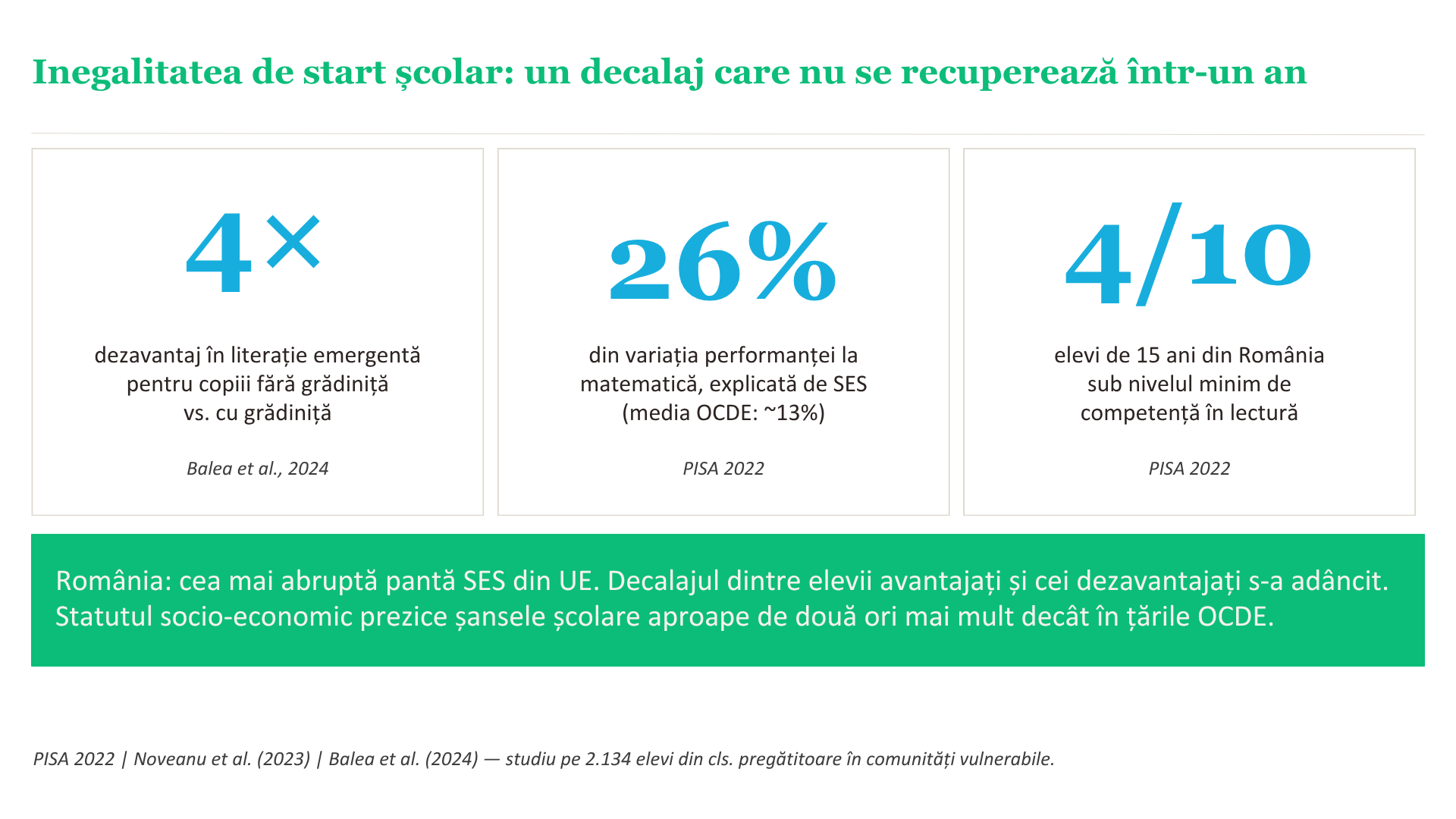
A World Bank report (2025) on high-risk schools in Romania shows that in 2023, the combined rate of repetition and dropout in these schools was 12.3 per cent, double the national average. The disadvantage accumulated in the early years is difficult to make up for later on. That is why early intervention, at family and nursery level, is an educational policy that must be adopted, not an optional one. It is the point at which the system has the greatest scope for action.
What happens when a child does not attend kindergarten
International reports show that academic performance increases in proportion to the number of years spent in the pre-school system, and this is evident as early as primary school.
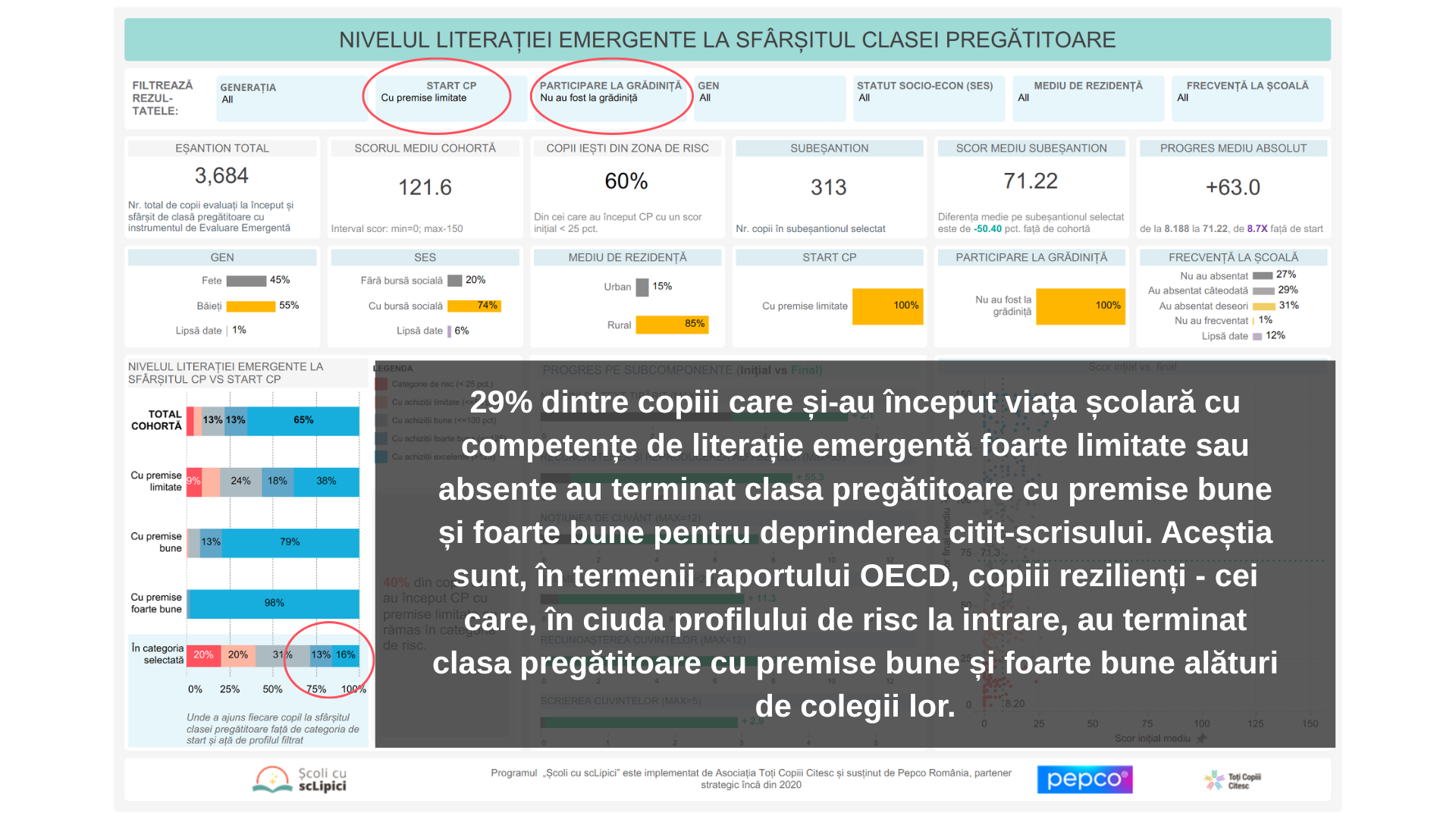
But what macro-level reports do not necessarily show is how this mechanism of falling behind works. We can see this in the data we have been collecting since the start of the preparatory year in the Școli cu scLipici programme, results which you can view here. Essentially, every teacher who joins the programme assesses their pupils at the start and end of the preparatory year. In addition to information regarding each child’s specific emerging literacy skills, teachers also provide relevant socio-demographic data about the child: gender, age, socio-economic status (measured by the proxy of whether or not they receive a social grant), whether they attended nursery school, and information about school attendance during the school year in question.
The results of comparative analyses show that children who did not attend nursery school started school with an average score for emerging literacy that was almost four times lower than that of their peers. What does this mean in practical terms in a reception class? It means that a teacher faces a wide variety of situations in their class: from the child who does not know how to open a book or where to read, to the child who reads a Year 1-level text relatively fluently.
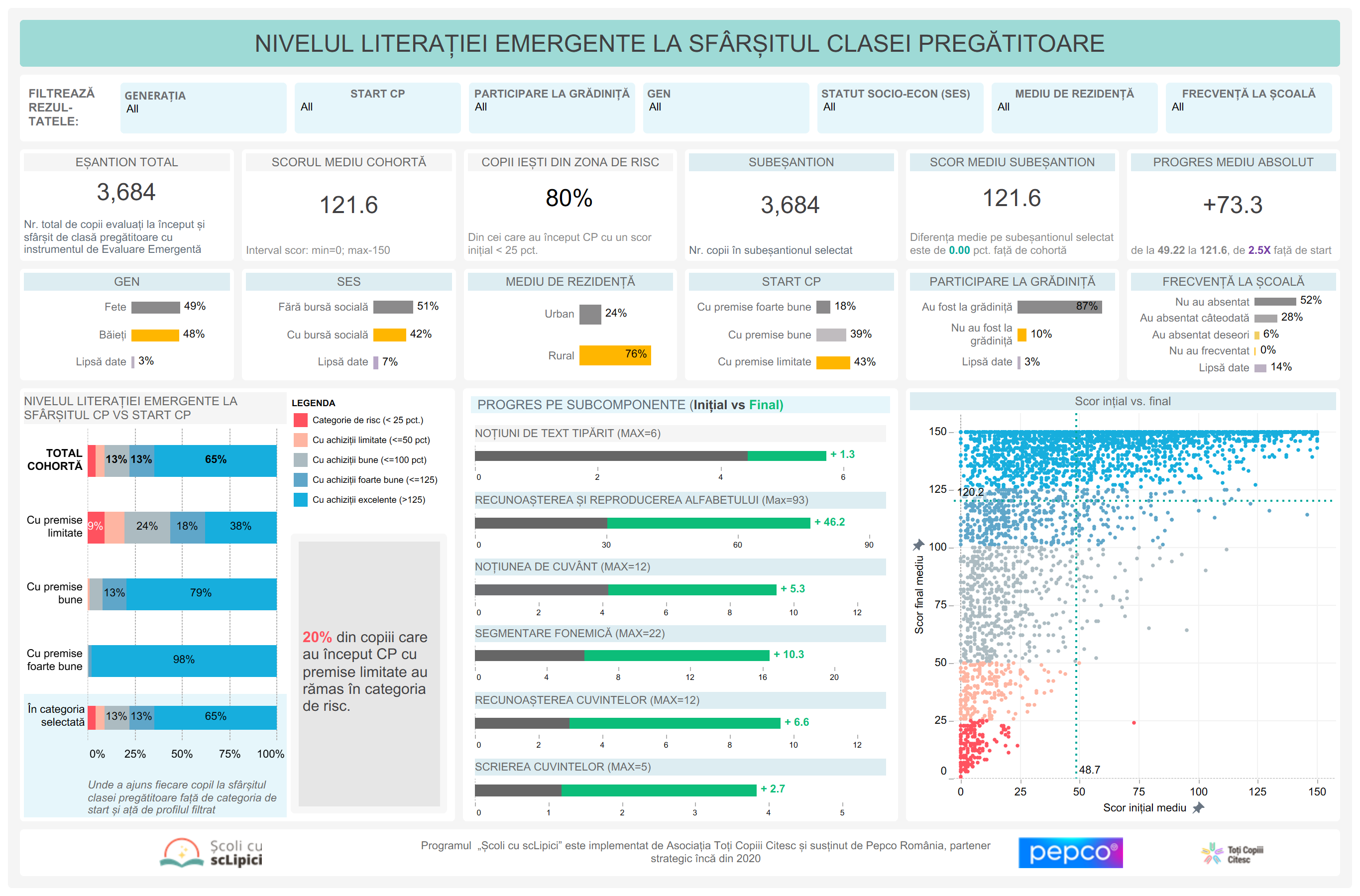
Each point on the graph below represents a child assessed at the start and end of the reception year. Their position on the graph, as the data shows, does not depend solely on their personal will, but rather on the likelihood of being born into a family with a low socio-economic status, in a community where they have limited, restricted or no access to nursery school.
In the bottom left quadrant, framed in red by the two mean values: initial score (on the horizontal axis) and final score (on the vertical axis), are the children who started reception class with very limited or no emerging literacy skills and remained there after a year of school. The purple colour represents children who did not attend nursery school.
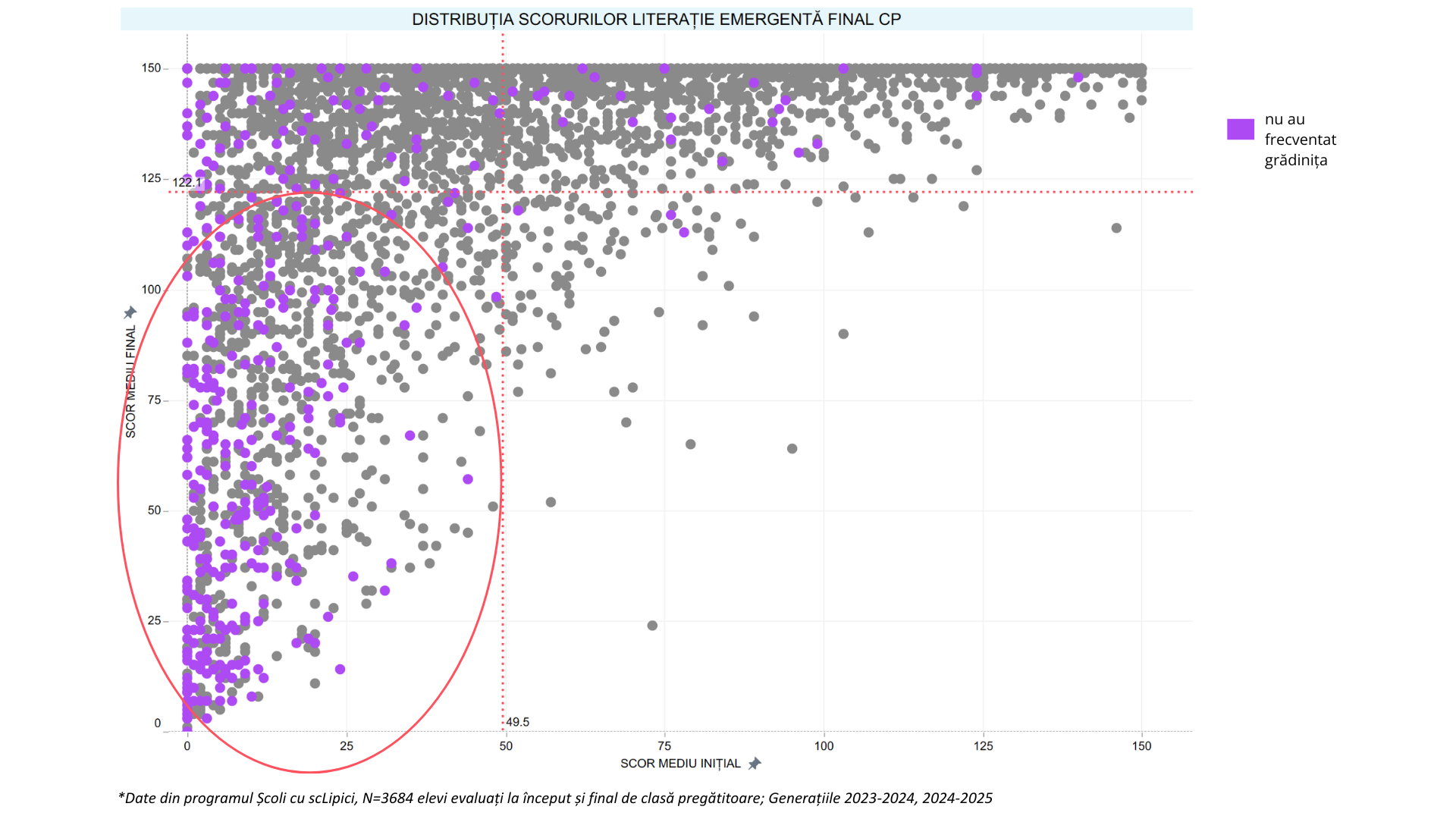
But a closer look at the data for children who started reception class without having attended nursery and who lacked sufficient literacy skills reveals those resilient children mentioned in the OECD report – the children who, against the odds and with extra support from their teacher, succeed.
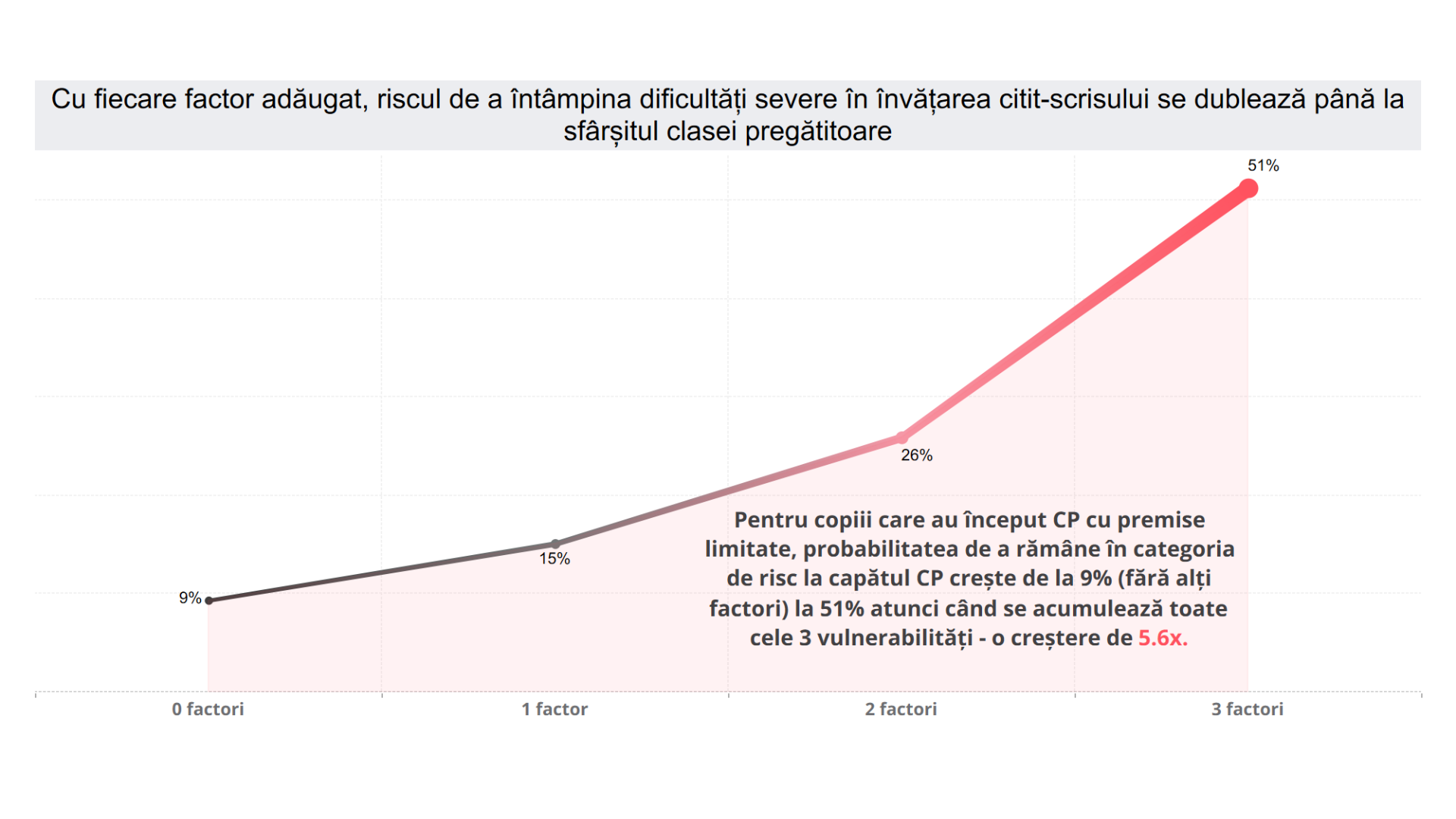
On the other hand, when considering the intersectional nature of risk factors, the data show that the likelihood of completing the preparatory year with limited literacy skills increases as these factors accumulate. Children who enter Year 1 without literacy skills and do not present any additional risk factors (among those measured in the Școli cu scLipici programme) have a 9% probability of remaining at risk by the end of the year.
When the same entry profile is combined with low socio-economic status, no nursery school attendance and at least occasional school absences, the probability rises to 51%. Furthermore, the longitudinal analysis shows that the initial gap is too wide to be bridged in a single year despite the provision of additional resources (learning materials relevant to their level, provided free of charge, and better-trained teachers) (Balea et al., 2024).
We have seen this very difficult situation reflected in practice among children in the very poor communities we have reached through the Learning for All programme. In their case, the picture is complicated by factors that go beyond the individual child’s circumstances: the parents’ low level of education and limited attendance at nursery are not individual characteristics of these families, but rather the expression of structural barriers that their communities have faced for generations.
The recently published report (which you can read here) on how children from communities facing extreme poverty and exclusion learn to read and write in primary school clearly shows that a functional relationship between school and family is not optional, but is a prerequisite for the development of children’s literacy, regardless of the family’s socio-economic background. However, this is precisely the most difficult thing to establish in such contexts.
The study documents the many barriers parents face in supporting their children’s school life: a lack of basic resources (decent living conditions, money for daily school-related expenses, basic infrastructure), as well as their own history with the education system, which is often fragmented and marked by trauma. Most of these parents cannot read or write, and the school tends to perceive them as unable to support their children as expected – a perception which itself becomes a barrier to the relationship that both the report and the OECD study consider essential.
The report highlights the importance of all children attending nursery school and describes what the start of reception class is like when children have not attended nursery school. The teachers interviewed speak of a very difficult start for these children: they lag behind their peers both in terms of basic skills and in terms of expected behaviours: following rules, maintaining focus on an activity, using writing tools, etc. According to the data (Balea et al., 2024), this gap will most likely not be closed by the end of the preparatory year or even beyond, in the absence of support tailored to these children’s needs.
Another phenomenon documented by the study is that of ‘surface participation’—generically referred to as ‘present in the classroom, absent from learning’—which illustrates why access and physical presence in the classroom are not sufficient; they are mandatory, but not enough; and how the mechanism of falling behind actually operates at the classroom level. These data merely confirm – or vice versa – the IELS study, which highlights the importance of the quality of learning services. Access alone is not enough for ECEC and/or schools to reduce inequality. These services must be centred on the needs of all children and operate equitably.
But the data from the IELS study adds something important to this picture: parents matter, regardless of their socio-economic status or their literacy and numeracy skills. When parents engage in activities with their children, socio-economic status becomes a less powerful predictor of outcomes. It is not the parent’s skills that are decisive, but their presence and involvement. This means that neither nursery nor school can function as systems isolated from families, especially where vulnerability is cumulative and intense.
Access is necessary. Quality is necessary. But without that functional mesosystem, in which all the child’s environments are pulling in the same direction, ECEC risks becoming a perpetuator of social class differences, not a corrector of them. That is what we are seeing. And that is what the data confirms.
A child should not have to succeed against the odds; they should succeed with the support of a system designed to provide support tailored to their specific needs.
Sources
- Balea, B. (2026). Supporting literacy development in primary schools in vulnerable communities. Research report.
- Barnett, W. S. (2011). The effectiveness of early educational intervention. Science, 333(6045), 975–978.
- Belsky, J., et al. (2007). Are there long-term effects of early childhood care? Child Development, 78(2), 681–701.
- Bronfenbrenner, U., & Morris, P. A. (2006). The bioecological model of human development. In The Handbook of Child Psychology.
- Burchinal, M., et al. (2011). Analysis of the threshold of association between the quality of childcare and children’s outcomes. Child Development, 82(2), 623–636.
- Cojocaru, D., Cojocaru, Ș., & Ciuchi, O. M. (2011). Conditions for the development of the national parenting education programme in Romania. Journal of Social Research and Intervention, 34, 144–158. [Link]
- Cojocaru, Ș., & Cojocaru, D. (2011). Parental education in Romania: Study. UNICEF. [Link]
- European Commission. (2024). Education and Training Monitor 2024: Romania. Publications Office of the European Union. [Link]
- European Commission. (2025). Education and Training Monitor 2025: Comparative Report – Chapter 3: Early childhood education and care. Publications Office of the European Union. [Link]
- European Commission / EACEA / Eurydice. (2025). Key data on early childhood education and care in Europe – 2025. Publications Office of the European Union.
- European Commission. (2014). Proposal on the key principles of a quality framework for early childhood education and care. Brussels.
- European Institute for Gender Equality (EIGE). (2025). Gender Equality Index / data on care and time use. European Institute for Gender Equality.
- Eurostat. (May 2025). Statistics on early childhood education. European Commission. [Link]
- Eurydice. (2025). Key data on early childhood education and care in Europe 2025. Publications Office of the European Union. [Link]
- Government of Romania. (2024). National Strategy for Supporting Parents 2024–2030 (Annex No. 35). General Secretariat of the Government. [Link]
- Heckmann, F. (2008). Education and migration: Strategies for the integration of migrant children into European schools and societies. NESSE.
- Ion, I. (2024). Gender inequalities in Romania.
- Ion, I., Popescu, R., & Grünberg, L. (2025). Parental involvement at home: Intersections between gender, childcare, families and the economy in post-socialist Romania. In S. L. Blair & T. J. Madigan (Eds.), Education and the family: Practices of parental involvement at home and at school. Emerald. [Link]
- Ministry of Education. (2024). Report on the State of Pre-university Education in Romania 2023–2024. Bucharest: Ministry of Education.
- OECD. (2017). Starting Strong 2017: OECD Key Indicators on Early Childhood Education and Care. OECD Publishing.
- OECD. (2023). PISA 2022 Results. OECD Publishing.
- OECD. (2025). Education and Skills in Romania: Analysis of National Education Policies. OECD Publishing. [Link]
- Pianta, R. C., Barnett, W. S., Burchinal, M., & Thornburg, K. R. (2009). The effects of early years education: What we know, the extent to which public policies are or are not aligned with the evidence base, and what we need to know. Psychological Science in the Public Interest, 10(2), 49–88.
- Save the Children Romania. (5 September 2025). What is the context for the start of the 2025–2026 school year? School dropout, hidden costs of education and disparities between urban and rural areas: relevant data and a wake-up call. [Link]
- Siraj-Blatchford, I., et al. (2008). Research on effective early years education. DCSF / Institute of Education.
- UNICEF. (2019a). A world ready to learn: Prioritising quality early childhood education. UNICEF.
- UNICEF. (2020). Built to Last: A Framework to Support Quality Universal Pre-school Education. UNICEF.
- UNICEF. (2023). Global evidence on family and community engagement in early childhood education. UNICEF.
- Valtin, R., Garbe, C., & Toia, M. (2015). Country Report: Literacy in Romania. European Literacy Policy Network (ELINET). [Link]
- Vindrola, S., Ghawi, G., Baghdasaryan, B., Lata, D., Loza, S., & Nugroho, D. (2023). What works in the provision of early childhood education: An analysis of the evidence on ensuring equitable access and quality in low- and middle-income countries. UNICEF Innocenti – Global Office for Research and Forecasting. [Link]
- World Bank. (2019). SABER Report on Early Childhood Development: Romania 2019. World Bank Group. [Link]
- World Bank. (2025). Progress Assessment Report on the National Programme on Reducing School Dropout (PNRAS) Round 1. Ministry of Education. [Link]
💡 Vrei să aduci scLipici și în clasa ta?
Toate resursele educaționale menționate mai sus sunt disponibile gratuit pe pagina https://toticopiiicitesc.ro/resurse-educationale/.
Explorează-le și vezi ce ți se potrivește. Spor la citit și la semănat încredere!